

Author
Sam, 59
He loved “big”—big appetite, big heart, big health troubles. He was overweight and had type 2 diabetes, sleep apnoea, high triglycerides, angina—the works. We simplified his plate (whole foods, fewer refined carbs), added 10–15 minutes of walking after meals, and built a light strength-and-yoga routine he could actually keep, worked on his meal timings and stress management. Six months later he’d lost 11 kilos, his fasting glucose normalised, lipids settled without medication, and his energy matched his personality again (Doctors call that remission).
Drew, 42
A London creative who kept nodding off—once in a job interview, once while driving. Early type 2 diabetes. His fix was small and consistent: a post-meal walk, lower-carb whole foods, and a short morning breathwork + sun salutations practice. Within three months his post-meal spikes calmed and his GP began reducing meds.
Different people, same lesson: small, repeatable actions beat heroic diets.
Type 1 diabetes is autoimmune—the body no longer makes insulin, so insulin therapy is essential. Ayurveda frames many autoimmune tendencies as a loss of inner “discernment” and works to restore rhythm in digestion, sleep and stress alongside medical care.
Type 2 diabetes is mostly insulin resistance: your cells stop listening to insulin’s “open up for glucose” message. Sugar lingers in the blood, then gets parked as triglycerides (belly fat) or attaches to proteins (the “sticky” damage behind many complications). Modern research ties this resistance to fat stored inside liver and muscle; Ayurveda described a similar picture long ago as Meda-vriddhi (unhealthy fat accumulation) driving the spectrum of Prameha (prediabetes) /Madhumeha (diabetes).
Classical texts describe 20 subtypes of Prameha—a continuum from early sugar imbalance to full-blown diabetes. Most people think diabetes begins with “too much sugar.” But long before the blood sugar rises, the real problem starts at the cellular level with insulin resistance — and it starts with unhealthy fats that block insulin function, create inflammation. Chronic low grade inflammation = chronic insulin resistance.
Ayurveda calls this Meda Vriddhi (increase in unhealthy fat) – the root cause of Prameha (prediabetes) /Madhumeha (diabetes).
Causes:
Constant eating (munching), excessive junk food, fatty food, sedentary lifestyle, daytime napping, obesity, stress, genetic predisposition, insulin resistance
Key symptoms:
Frequent urination (polyuria), Increased thirst (Polydipsia) and hunger (polyphagia), Fatigue, slow wound healing, excessive sweating, sweet taste in the mouth
The remedies are refreshingly practical: optimise agni (digestive fire), lighten kapha excess, and rebuild daily rhythm. Think:
Ayurveda doesn’t replace insulin or critical medicines; it improves the terrain you live in.
You don’t need an hour, you need regularity.
Mechanistically, movement opens GLUT4 “doors” in muscle so glucose can enter—no insulin permission slip needed.
Build a sane plate
What to trim
Sugary drinks and juices, pastries, white-flour snacks and most ultra-processed foods. In India, a new wave of data links low-quality refined carbs to rising metabolic risk; swapping even 5% of carbs for protein (pulses, dairy, eggs, fish) lowers diabetes risk. The Times of India
Focus on Whole Foods
Unprocessed, whole foods like fruits, vegetables, whole grains, legumes etc. are high in antioxidants, fibre, vitamins and minerals. They support general health and blood sugar regulation.
Balanced Micronutrients
A balanced diet with enough protein, carbohydrates and healthy fats should be your goal. To avoid blood sugar spikes, concentrate on eating complex carbohydrates with a low glycemic index, like whole grains, legumes, and non-starchy vegetables. Also, incorporate healthy fats like ghee, almonds, etc. and protein sources like chicken, fish, tofu, and beans.
Watch portion proportions – Follow your hunger cues
To prevent overindulging and maintain stable blood sugar levels, be mindful of portion proportions. To manage portion sizes, use smaller bowls, plates and utensils. You may also adopt a mindful eating style to recognise your body’s signals of hunger and fullness.
Avoid refined carbohydrates and added refined sugars
Avoid consuming foods and drinks heavy in unhealthy fats, processed carbohydrates and added sugars. Such foods can raise blood sugar levels and lead to insulin resistance.
Follow a rhythm – regularity is medicine
To avoid blood sugar swings, be regular with your meal timings. For instance, it is best to have a light, digestible dinner, preferably early (between 6:00 pm and 6:30 pm).
Where medications fit (and how lifestyle changes the dose)
Every day
Each week
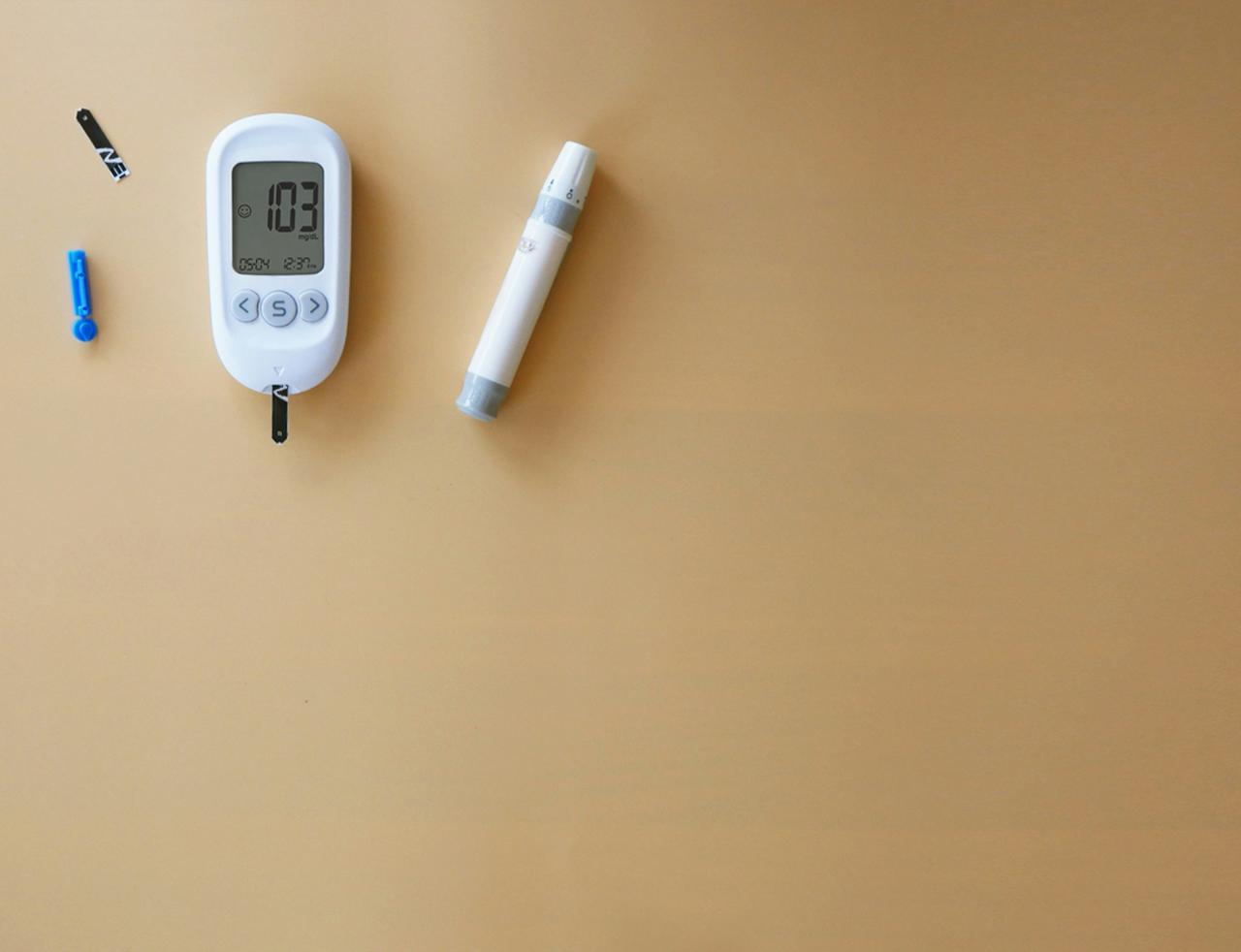
Your glucose meter tells you the numbers; Ayurveda helps you understand the story.

A monthly longevity newsletter curated with insights, simple rituals, and practical tips for a joyful, intentional life — plus exclusive updates on upcoming programs.
