

Author
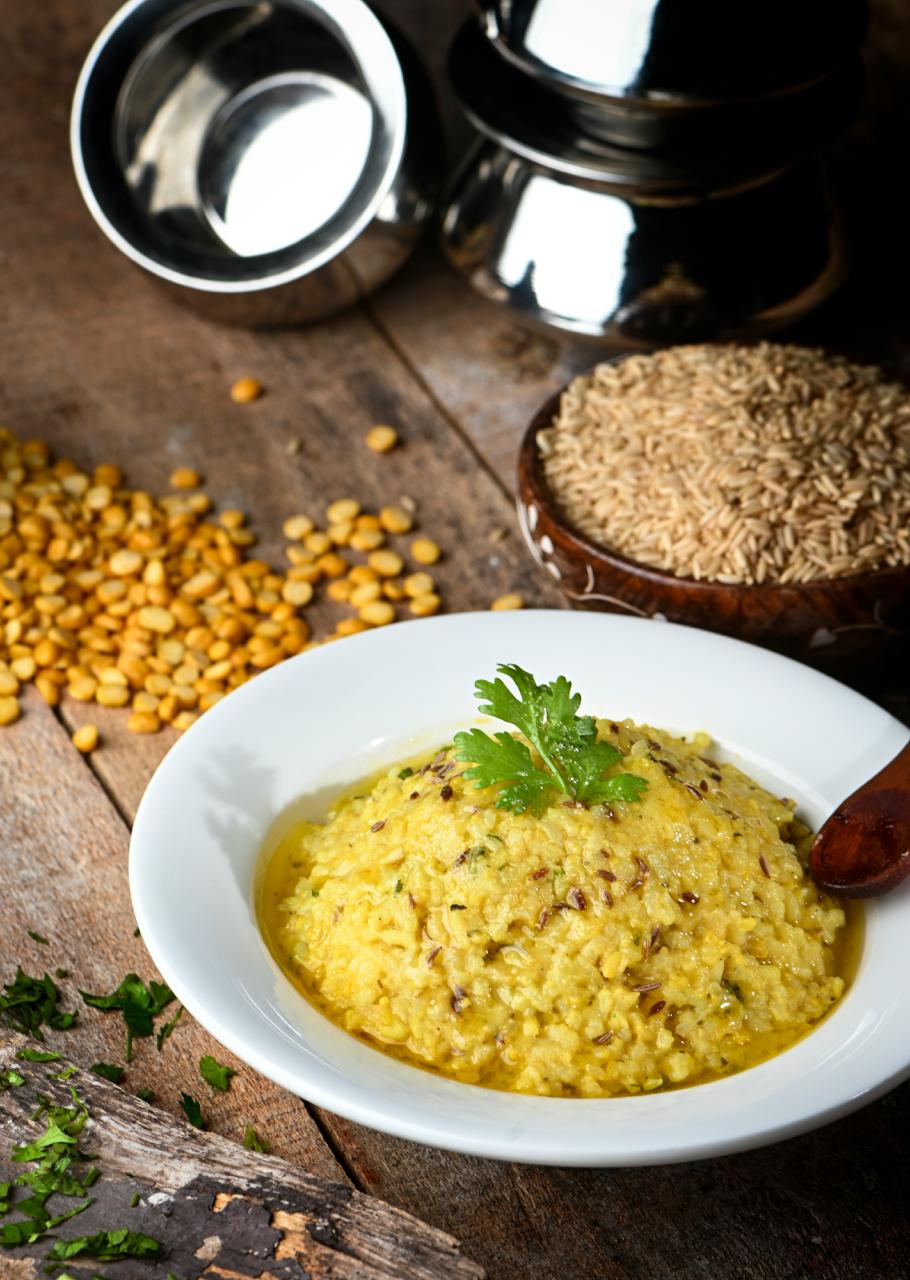
I never thought I’d say this — but one of my most-loved Indian foods has to be Khichdi.
Good days, bad days, sick days, rainy days, heartbreak days, or the “I’m-too-tired-to-cook” days — Khichdi never lets you down.
Tell me another dish that holds that kind of emotional tenure!
While Khichdi may have found its way into every clean-eating blog and wellness retreat menu today, there’s far more to it than the internet’s shiny “detox” label. Some of what’s floating around online is true; some… not so much. Let’s simmer through the myths and truths together.
Let’s start with the name, the word “Kitchari” doesn’t exist in classical Ayurveda. The ancient texts refer to Kṛsara, and across India, it evolved into Khichdi — a dish every Indian grandmother knows by heart and every mother prescribes when you’re under the weather. Somewhere between Sanskrit, the West, and the wellness industry, Khichdi got a digital makeover as “Kitchari.”
What is Khichdi, really?
At its simplest, Khichdi is a soothing bowl of rice, lentils, ghee, and spices — soft, warm, and easy on the gut. It’s India’s answer to comfort food, known for being nourishing, grounding, and light on digestion.
Traditionally, Ayurveda recommends making it with aged rice like Sona Masoori, not basmati. Sona Masoori is an aged medium-grain, fiber-rich rice that supports better digestion and nutrient absorption — exactly what Ayurveda calls “true nourishment.”
And here’s the biggest myth-buster: Khichdi is not a detox food. It’s more nourishing and mildly cleansing. In Indian homes, it’s one of the first solid meals a baby eats — gentle on the stomach, kind to the gut, and healing for the soul.
Make It Your Own (The Ayurvedic Way)
The beauty of Khichdi lies in how forgiving it is. Got leftover veggies in the fridge? Toss them in. Feeling cold and heavy? Add warming spices. Craving lightness? Add zucchini or veggies from the gourd family. Ayurveda encourages intuitive eating, and Khichdi is the perfect playground for it.
1. A Natural Digestive Aid
When cooked with ghee, cumin, ginger, and turmeric, Khichdi becomes a gentle digestive tonic. It soothes bloating, relieves heaviness, and rekindles the digestive fire — all without taxing the system.
2. Balanced Nutrition in a Bowl
It’s the rare comfort food that’s also nutritionally balanced — protein from mung dal, complex carbs from the aged rice, and a full dose of vitamins, minerals and antioxidants from spices and veggies. Add a dollop of ghee and you’ve got healthy fats that help absorb fat-soluble nutrients.
3. Gut-Healing Goodness
Its simplicity makes it ideal for anyone with digestive issues, inflammation, or chronic conditions alike.
The rice and mung dal combo is easy to digest yet nourishing enough to cleanse without depleting. It’s the reset button your gut has been waiting for — no juice cleanse required.
Ingredients:
Cooking Instructions:
Serve warm, say a little prayer, bless the meal and enjoy!

A monthly longevity newsletter curated with insights, simple rituals, and practical tips for a joyful, intentional life — plus exclusive updates on upcoming programs.
